
Neurodivergent vs. Neurotypical Brains
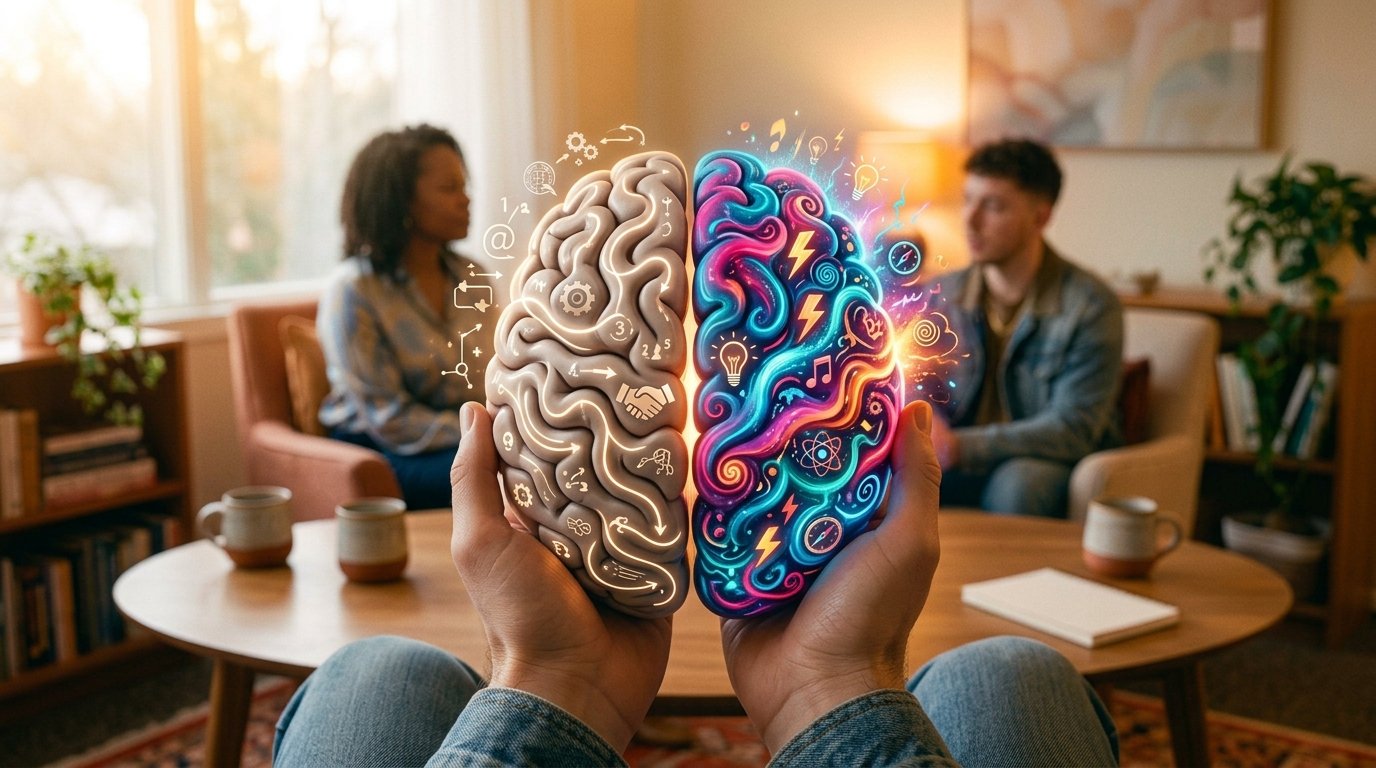
The human mind is endlessly fascinating, functioning much like a unique operating system for every individual. In recent years, public awareness around brain health and cognitive diversity has expanded significantly, bringing terms like "neurotypical" and "neurodivergent" into everyday conversations. Rather than viewing human intelligence through a rigid lens of "normal" versus "abnormal," modern science increasingly views brain function as a diverse spectrum. Understanding how neurotypical and neurodivergent brains process information, handle sensory experiences, and interact socially allows us to build more empathetic, inclusive, and efficient environments in our schools, workplaces, and daily lives.
To understand this dynamic, one must first look at the neurotypical brain, which represents the statistical average of cognitive development within society. Individuals with neurotypical brains generally process thoughts, handle emotions, and respond to social environments in ways that align with established cultural norms. They typically find it intuitive to read subtle body language, pick up on implicit vocal tones, and engage in social small talk. Furthermore, a neurotypical brain manages sensory inputs with relative ease, effectively filtering out ambient background noises, harsh lighting, or overwhelming textures. Because modern educational systems, workplaces, and social structures were historically designed around these standard neurological patterns, neurotypical people usually find it easier to adapt to routine schedule changes, manage traditional time constraints, and navigate conventional social expectations without experiencing severe burnout.
On the other hand, a neurodivergent brain processes, learns, and interprets information in ways that diverge from typical societal standards. Coined by sociologist Judy Singer, neurodivergence is an umbrella concept that embraces conditions such as Autism Spectrum Condition (ASC), Attention-Deficit/Hyperactivity Disorder (ADHD), Dyslexia, Dyspraxia, and Tourette Syndrome. It is critical to emphasize that neurodivergence is not an illness, damage, or something requiring a "cure." Instead, it represents a natural structural variation in how the brain pathways are wired. For instance, an individual with ADHD might struggle with regulating attention on low-interest tasks but can enter an extraordinary state of hyperfocus when engaging with topics they love. Similarly, an autistic individual might experience heightened sensory sensitivities to light or sound, yet possess an exceptional ability to recognize complex patterns, remember intricate details, or approach problem-solving with remarkable clarity and honesty.
When comparing how these two types of brains operate side by side, several key differences emerge across communication, sensory processing, and executive function. In terms of social interaction, neurotypical people often rely heavily on indirect communication, non-verbal cues, and social hierarchies. In contrast, neurodivergent individuals frequently prefer direct, explicit, and authentic dialogue, often finding superficial small talk draining or confusing. Sensory processing also highlights a stark contrast; while a neurotypical mind automatically dulls non-essential stimuli, a neurodivergent mind may experience sensory overload in noisy or overly bright environments, requiring specific accommodations like quiet spaces or noise-canceling headphones to thrive. Additionally, executive functioning—which involves task initiation, time management, and organization—runs linearly for most neurotypicals, whereas neurodivergent minds often follow dynamic, interest-driven pathways that yield incredible bursts of creative innovation.
Despite growing awareness, several persistent myths surrounding neurodiversity continue to cause misunderstandings. A common misconception is that neurodivergent individuals lack empathy or struggle with emotional connection. In reality, many neurodivergent people experience hyper-empathy, feeling emotions so deeply that it becomes overwhelming, though they may express their care in non-traditional ways. Another harmful myth is that neurotypical brains represent the "correct" baseline, implying that neurodivergent minds are inherently broken or inferior. In truth, human progress has always depended on a balance of different minds; while neurotypical individuals help maintain stability, cohesion, and smooth operational flow, neurodivergent thinkers are often the visionaries, artists, and innovators who challenge the status quo with unconventional perspectives.
Ultimately, fostering a world that respects both neurodivergent and neurotypical brains is not about categorizing individuals into rigid boxes, but about appreciating human diversity. When workplaces, schools, and communities offer flexible accommodations, clear communication, and sensory-friendly environments, everyone benefits. By moving past outdated assumptions and choosing curiosity over judgment, we can create a society where all types of minds are valued, supported, and given the opportunity to reach their full potential.
